
©CNRÀ

The “Loschburmann” – the oldest Luxembourger

Where? L-7650 Heffingen

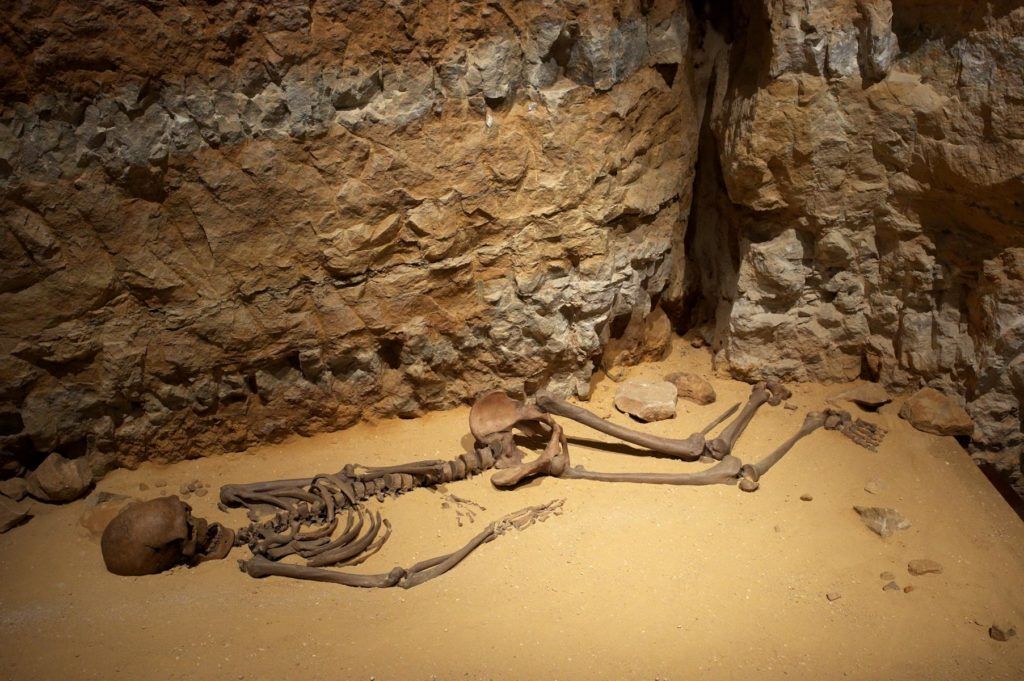
At the Loschbur rock shelter near Heffingen, archaeologists discovered the skeleton of a man dating back about 8,000 years – one of the oldest traces of human life in Luxembourg.

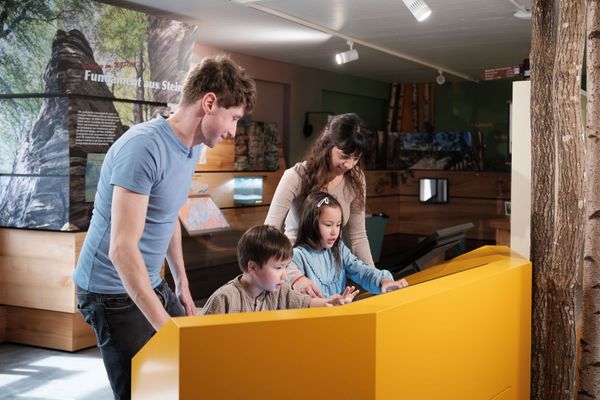
The “Loschburmann” was discovered in the 1930s in the Loschbur rock shelter near Heffingen, in the valley of the Black Ernz. The almost complete skeleton dates to the Mesolithic period (around 8 000 BC) and is one of Luxembourg’s most important archaeological finds. The “Loschburmann” was a hunter-gatherer living in what is now the Mullerthal Region. His remains offer valuable insights into the lives of early inhabitants of the area. A lifelike reconstruction of the “Loschburmann” can be seen at the National Museum of Natural History in Luxembourg City.
Opening hours

Contact

Address: Loschbuermann
L-7650 Heffingen
Show on map

More sites

©Visit Luxembourg
Thematic paths
Rosport cultural route “In the footsteps of the Tudors"
Distance: 2,35 km
Duration: 1:00 h
Difficulty: easy
Find out more
The Saint-Donatus church in Larochette
Get enchanted by the antique interior and the impressive statues of the Saint Donatus church.
Find out more
Saint Martin church in Junglinster
Visit the baroque church and the burial place of the Lords of Linster.
Find out more
©Anabela & Jorge Valente
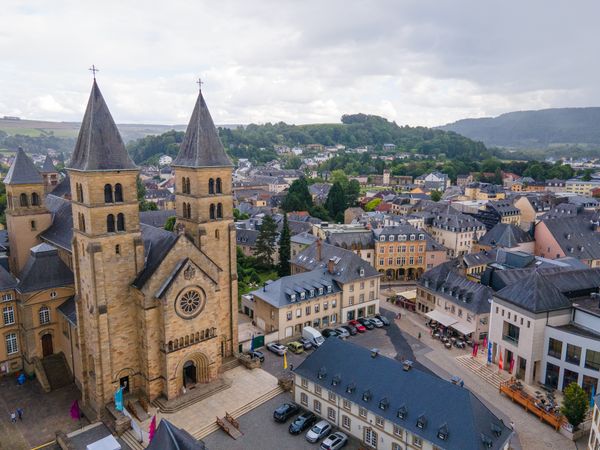
St. Willibrord Basilica Echternach
Find out more
©ORT MPSL
Saint Peter and Paul church
St. Peter and Paul Church majestically dominates the city center of Echternach from the top of a hill.
Find out more
©L. Schömer, Visit Luxembourg
Thematic paths
Cultural circular route “Via Epternacensis Echternach"
Distance: 3,66 km
Duration: 2:00 h
Difficulty: easy
Find out more
©2020 Luxemburger Wort
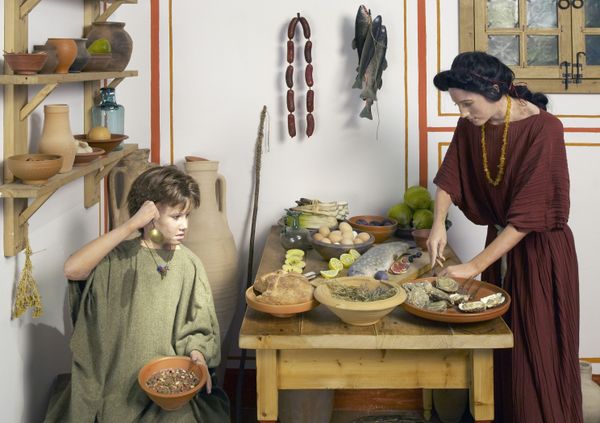
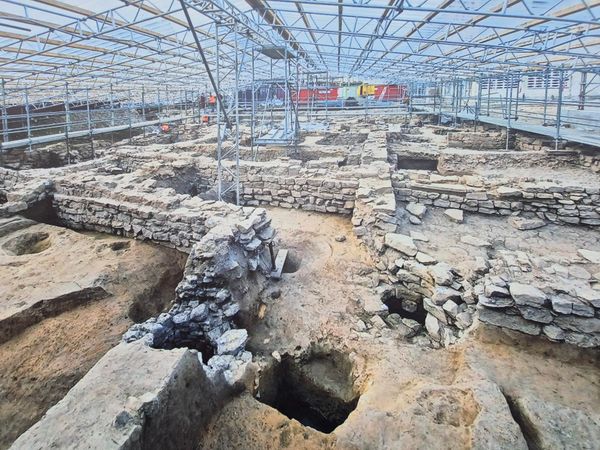
Roman Villa Echternach
The Roman villa of Echternach is one of the most important buildings from the Roman era north of the Alps.
Find out more
©Pancake! Photographie
Chapel of Girsterklaus
Find out more
©Fred Schaaf
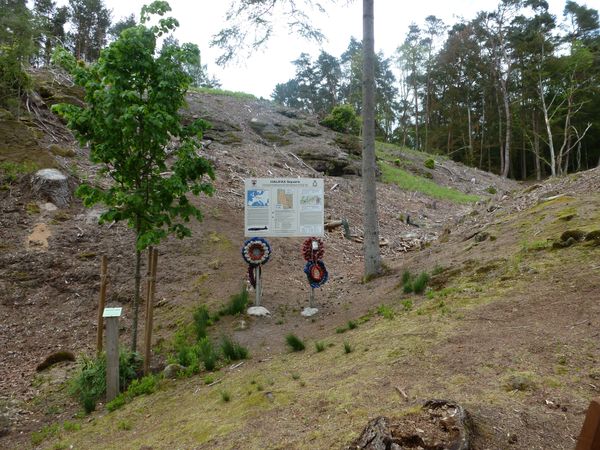
Halifax Memorial “Marscherwald”
In August 1943, a British Halifax MKII bomber with seven soldiers on board was shot at by a German night fighter during a routine flight.
Find out more